Storage in France: Practical Options, Costs, and Smart Tips for Homes and Businesses
Understanding storage in France

Storage in France is becoming more relevant every year as people move homes, downsize, renovate, study abroad, or run businesses that need flexible space. Whether you live in Paris, Lyon, Marseille, Lille, Toulouse, Bordeaux, or a smaller town, the need for extra room can appear suddenly and stay longer than expected.
For many households and companies, storage in France is not just about finding a place to keep boxes. It is about creating breathing room, protecting valuable items, and staying organized during change. The right solution can make relocation easier, support seasonal living, and reduce stress when space is limited.
Today, the French storage market offers a wide variety of choices, from traditional rented units to modern self-storage centers and business-focused facilities. Understanding how storage in France works helps you choose the right size, the right location, and the right level of security for your needs.
Why storage in France is in high demand

There are many reasons people search for storage in France. Urban living often means smaller apartments, limited cellar space, and no garage. At the same time, families may accumulate furniture, sports equipment, winter clothing, and seasonal decor that they do not use every day. A storage unit can solve these space problems without forcing you to throw everything away.
Another major factor is mobility. France has a strong rental market, and many residents move more often than homeowners in other countries. Students, expats, and young professionals may relocate for work or education and need temporary storage between leases. In these cases, short-term storage in France is especially useful because it offers flexibility without long commitments.
Businesses also rely on storage in France to handle excess inventory, archive documents, store marketing materials, or keep equipment safe between projects. For small companies and online sellers, external storage can be a cost-effective way to scale operations while keeping the office uncluttered.
Main types of storage in France

When exploring storage in France, you will typically encounter several options. Each one serves a different purpose, and the best choice depends on what you need to store, how often you need access, and how much you want to spend.
Common storage solutions include:
- Self-storage units for personal or business use
- Guarded storage centers with security and access control
- Warehouse storage for larger business stock or equipment
- Furniture storage for moves, renovations, or temporary relocations
- Archive storage for documents, records, and paperwork
Self-storage is especially popular because it provides a private lockable unit that you can access during opening hours or, in some locations, at any time. This flexibility makes storage in France attractive to renters, homeowners, entrepreneurs, and students alike.
How self-storage works in France
Self-storage in France usually follows a straightforward process. You choose a facility, select the unit size, sign a rental agreement, and move your items in. Depending on the provider, you may get a personal access code, a key, or a digital entry system. Many facilities offer trolleys, lifts, and loading areas to make moving easier.
The main benefit of self-storage in France is control. You decide what goes in, how it is arranged, and when you need it back. This makes it ideal for belongings you may need later, such as furniture during a renovation or business stock that changes over time.
Most facilities are designed for convenience and security. Climate conditions vary by region, so some units are better suited for sensitive items than others. If you are storing electronics, paper archives, artwork, or wooden furniture, it is worth asking about temperature and humidity conditions before signing up.
Key features to look for in storage in France

Choosing storage in France is easier when you know what matters most. A good facility should offer more than just a room. It should provide practical access, proper protection, and a clear contract.
Look for these features:
- Security cameras and monitored access
- Individual alarms or controlled entry systems
- Dry, clean units with minimal dust or dampness
- Flexible rental terms for short or long stays
- Easy parking or loading access
- Insurance options for added protection
It is also important to check whether the storage center is located near your home, office, or moving route. In big cities, a central location can save time, but it may cost more. In suburban or industrial zones, storage in France may be more affordable while still accessible by car or public transport.
Storage in France for households
Households use storage in France for many reasons. A family might need temporary space during a move or renovation. A couple living in a small apartment may use a unit for bicycles, luggage, holiday decorations, or children’s items they want to keep for later. Even retirees sometimes choose storage when downsizing but not yet ready to part with cherished belongings.
One of the biggest advantages of household storage in France is that it helps preserve organization at home. When seasonal or infrequently used items are moved elsewhere, rooms become easier to clean, furnish, and enjoy. This can improve daily life in compact urban homes where every square meter matters.
For household users, it is smart to create an inventory before placing items into storage in France. Label boxes clearly, keep frequently needed items near the front, and use shelves if the unit allows. Good organization saves time later and helps avoid the frustration of searching through boxes one by one.
Storage in France for students and expats
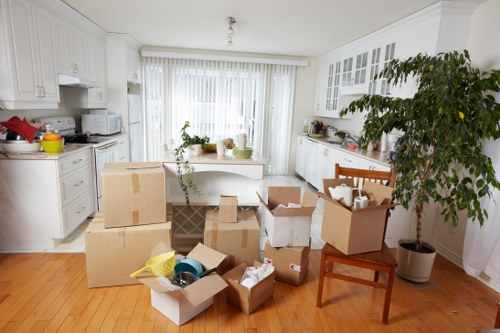
Students and expats are among the most active users of storage in France. Academic calendars, internships, international assignments, and short leases often create gaps where possessions need a safe place. Instead of shipping everything back home or paying for a bigger apartment, many people choose temporary storage.
For students, storage in France can be ideal during summer breaks, exchange programs, or moves between university towns. It is a practical way to keep books, bedding, desk items, and small furniture in one place until the next term starts.
Expats often face more complex situations. They may arrive with suitcases first and then gradually buy furniture, or they may need to store belongings while waiting for a permanent residence permit or a new apartment. In these cases, storage in France offers stability during an otherwise uncertain transition.
Business storage in France
For companies, storage in France can be a strategic asset. Small businesses, freelancers, retailers, and e-commerce sellers often need extra room for stock, supplies, samples, equipment, and archived files. Rather than renting larger office space, they can keep essential items in a storage unit and use office space more efficiently.
Business storage in France is also useful for seasonal operations. Retailers may need more room before holidays, event planners need temporary holding space for materials, and contractors may store tools and machinery between jobs. This flexibility helps businesses adapt quickly to changes in demand.
Some facilities even offer tailored business services, such as pallet access, delivery handling, extended opening hours, and larger warehouse-style units. If your company depends on quick turnover or frequent access, these features can make storage in France much more valuable.
How to choose the right size
Selecting the correct unit size is one of the most important decisions when using storage in France. A space that is too small may force you to stack items unsafely, while a unit that is too large may cost more than necessary. The goal is to balance price, access, and storage efficiency.
As a rough starting point:
- Small units suit boxes, luggage, seasonal items, and small appliances
- Medium units fit the contents of a studio or one-bedroom apartment
- Large units work for full household moves, business stock, or oversized furniture
Before renting storage in France, make a list of everything you plan to store. Measure large furniture and consider whether you need space to walk inside the unit. If you may add items later, it is often wise to choose a slightly larger space to avoid overcrowding.
Security and protection in storage in France
Security is a major concern for anyone using storage in France. You want peace of mind that your belongings are protected from theft, damage, and unauthorized access. Reliable facilities invest in cameras, fences, alarms, and monitored entry systems to reduce risk.
However, security is not only about the building. How you pack your items also matters. Use sturdy boxes, wrap fragile objects, and avoid leaving valuables exposed. Plastic covers, pallets, and shelving can help protect items from floor moisture and make the unit easier to navigate.
Insurance is another factor worth reviewing. Some providers include basic coverage, while others require you to arrange your own policy. Always read the contract carefully so you understand what is covered in storage in France and what is not.
Climate, humidity, and item care
France has varied climates, from humid coastal areas to colder inland regions and warmer southern cities. Because of this, climate control can be very important depending on what you store. Not every storage in France unit offers temperature regulation, so this should be checked before you rent.
Items that are sensitive to climate include wood furniture, leather goods, books, musical instruments, fabrics, electronics, and paintings. If these belongings are exposed to excessive moisture or temperature swings, they may warp, mold, or deteriorate over time.
To protect your items in storage in France, use sealed containers when possible, avoid storing wet objects, and leave a little airflow around furniture. Placing absorbent materials or moisture absorbers in the unit can also be helpful, especially in regions with damp winters or summer humidity.
Costs of storage in France
Pricing for storage in France varies by city, facility quality, unit size, access hours, and service level. In central Paris, for example, rates are usually higher than in smaller towns or industrial suburbs. Premium facilities with climate control, advanced security, or 24/7 access may also cost more.
Typical pricing factors include:
- Location of the facility
- Size of the unit
- Duration of the rental
- Security and climate features
- Insurance and admin fees
To get the best value, compare a few options and ask what is included in the monthly price. Some providers advertise low base rates but charge extra for access cards, locks, or mandatory insurance. Transparent pricing makes storage in France easier to budget for and prevents surprises later.
Short-term vs long-term storage in France
One of the strengths of storage in France is flexibility. Some people need a unit for only a few weeks, while others keep belongings stored for months or even years. Short-term storage is common during moves, renovations, and travel periods. Long-term storage is more common for archives, business inventory, inherited furniture, or items waiting for future use.
Short-term storage in France is usually best when you want quick access and simple rental terms. Long-term storage can be more cost-efficient if the facility offers discounts for extended commitments. However, before opting for long storage, check your items periodically to ensure they remain in good condition.
Always think ahead. If you expect your storage needs to change, ask whether the facility allows unit upgrades or downsizing. This flexibility can save money and reduce stress if your situation evolves.
Organization tips for better storage in France
Good organization can transform storage in France from a simple rental space into a genuinely useful system. When items are packed properly and labeled clearly, you can find what you need quickly and keep the unit tidy.
Useful organization habits include:
- Label every box on multiple sides
- Keep an inventory list on paper or digitally
- Place frequently needed items in front
- Use clear containers for small objects
- Disassemble furniture when possible
- Leave a central walkway in larger units
Think of storage in France as an extension of your home or workplace. The more deliberately you arrange it, the more time and frustration you save later. Even simple systems can make a big difference.
Common mistakes to avoid
Many people make avoidable mistakes when renting storage in France for the first time. One common error is choosing a unit based only on price. A cheap unit that is too small, too far away, or poorly maintained can end up costing more in time and inconvenience.
Another mistake is failing to protect items properly. Cardboard boxes alone may not be enough for long-term storage in France, especially for valuables or moisture-sensitive belongings. Skipping insurance review is another risky move, as is placing prohibited items in a unit without checking the contract.
Avoid overfilling the space. If you stack items too tightly, you may damage them or make access difficult. The best storage in France solution is one that keeps your items safe, reachable, and easy to manage.
How storage in France supports moving and renovation projects
Moving house is one of the most common reasons for using storage in France. If there is a delay between leaving one property and entering another, a unit provides a secure temporary home for furniture and boxes. This is especially helpful when completion dates are uncertain or leases do not align perfectly.
Renovation projects also benefit from storage in France. By removing furniture and valuables from the work area, you give contractors more room to operate and reduce the risk of dust or accidental damage. This creates a cleaner, safer, and more efficient project environment.
In many cases, storage in France can actually save money by reducing stress, protecting possessions, and preventing rushed decisions about what to throw away or where to place items during the transition.
Choosing the best storage in France for your needs
With so many choices available, selecting the best storage in France comes down to a few practical questions. How long do you need it? What are you storing? How often do you need access? What level of protection matters most? Once you answer those questions, the right solution becomes easier to identify.
Before signing an agreement, compare facilities based on size, security, access, cleanliness, and contract flexibility. Visit the site if possible and ask about parking, loading, humidity control, and opening hours. These details can make a major difference in everyday use.
Contact us today to take the next step toward a cleaner, more organized space. Whether you need short-term room during a move or long-term storage in France for business or personal items, choosing the right facility can simplify your life. Book your service now and make extra space work for you.
Final thoughts on storage in France
Storage in France is more than a convenience; it is a practical solution for modern living and working. From compact city apartments to growing businesses, the need for flexible extra space continues to rise. The good news is that French storage options are diverse, accessible, and adaptable to many different situations.
If you focus on location, security, unit size, and item protection, storage in France can become a simple and reliable part of your routine. It helps you stay organized, manage transitions with less stress, and protect belongings that matter.
Whether you are a student, expat, homeowner, or business owner, the right storage in France option can offer real value. Take the time to compare your choices, plan carefully, and choose a space that matches your needs today and tomorrow.