France Removals in France
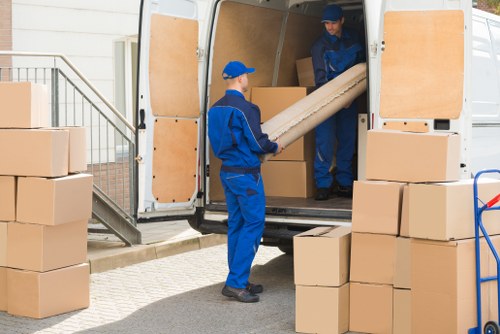
France Removals in France is a straightforward way to arrange household, flat and office moving support when you need practical transport, careful handling and clear planning. Our main service covers the movement of everyday belongings, furniture and packed items, with options that can be matched to the size of the load and the access at each property. The aim is to keep the process organised from the first enquiry to the final placement of items.
We support customers who need a removals service for local or longer distance work, including properties with stairs, shared entrances or limited parking. Depending on the job, that can involve dismantling and reassembling selected furniture, protecting fragile items, loading securely and keeping the move in a sensible order. If you are comparing options, clear scope and accurate details usually help you choose the right level of support.
For a simple start, send the basic details of what needs moving, the collection and delivery points, and any item that needs extra care. You can also look at our pricing and quotes page if you want to understand how requests are put together before you ask for a quotation. If you already know the kind of move you need, start with the main rooms and the largest items so the plan can be set out sensibly.
House removals and home moves
House removals and home moves are often built around the furniture and boxes that make up a full property change. We can handle common domestic contents such as beds, wardrobes, tables, chairs, sofas, kitchen items and sealed cartons, with attention to stacking and route planning so that loading remains orderly. A well-planned move reduces unnecessary lifting and helps each item reach the right room.
The scale of a house move can vary a great deal, so the service is usually shaped around the rooms involved, the access conditions and whether disassembly is needed. A smaller home move may only need a modest vehicle and a simple loading plan, while a larger property may benefit from more structured handling of fragile belongings and heavier furniture. For background on our wider domestic work, see the home moves page, which sits alongside the main removals service.
Useful details to prepare:
- the number of rooms or approximate volume
- any bulky furniture, appliances or specialist items
- stairs, lifts, narrow halls or restricted parking
- whether packing materials or box supply are needed
Flat removals and access planning

Flat removals often need a slightly different approach because shared entrances, upper floors and tighter turning spaces can affect the order of loading. We can plan around apartment blocks, maisonettes and converted buildings where the safest route matters as much as the size of the load. In these situations, the movement of items is usually arranged so that the heavier pieces are dealt with in a controlled way.
When a flat move is being considered, customers often want to know how individual pieces will be handled before the day itself. That is where a careful description of the property and the contents becomes useful. If you need support for a smaller load, the flat removals page gives a more focused route into the same kind of moving work, while man and van support may suit lighter collections where less team handling is required.
Good access planning is not just about distance from the door to the vehicle. It also covers lift use, corridor width, shared entrances, floor protection and the order in which rooms are cleared. Thoughtful preparation can reduce delays on the day, especially where neighbours, building rules or timed access windows need to be respected.
Furniture removals and item handling

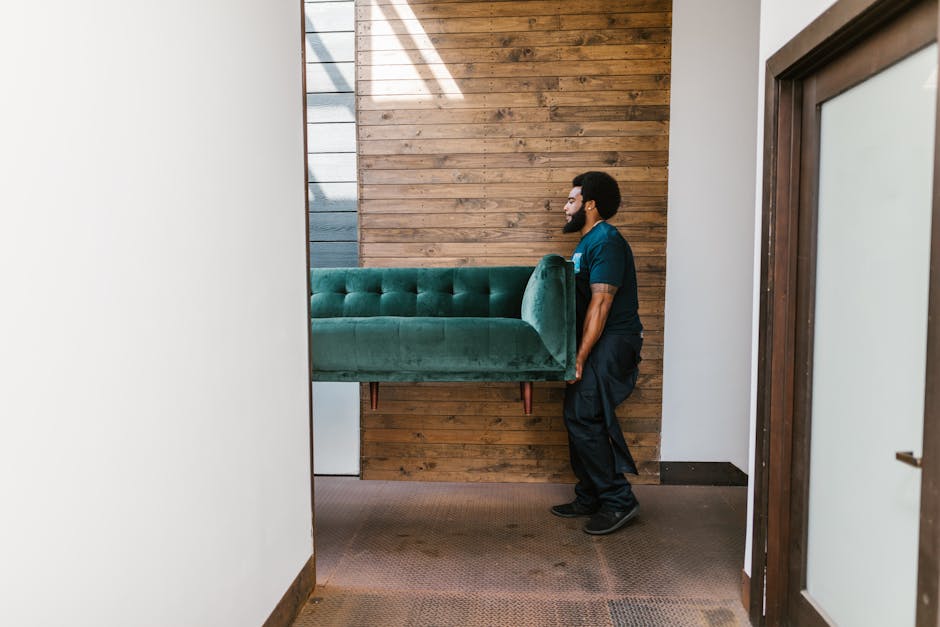
Furniture removals focus on moving the larger pieces that need careful lifting, carrying and positioning. This can include wardrobes, dining sets, bed frames, shelving, cabinets and similar household furniture. Some items may be moved assembled, while others are easier to transport after dismantling. The right approach depends on dimensions, finishes, weight and the route through the property.
We also help with furniture pick-up when you only need a particular item collected rather than a full property move. Where the load is a single set of chairs or one large cabinet, the work may be simpler than a full removal but still benefits from proper handling. You can compare that with the dedicated furniture pick-up page, which covers a narrower collection-based service.
For fragile or high-value items, it is sensible to note any glass panels, loose fittings, awkward sizes or surfaces that scratch easily. This helps with the choice of wrapping, loading order and placement in the vehicle. If a piece needs special care, say so early so that the handling plan can take account of it from the outset.
Packing, boxes and the practical side of moving
Packing is a major part of many removals jobs because well-packed boxes are easier to carry and stack securely. Our packing and boxes service can support customers who want help assembling suitable cartons, protecting breakables and preparing possessions for transit. The aim is to reduce movement inside the box and keep fragile contents separated from heavier household items.
Where packing support is needed, the level of service can be adjusted. Some customers only want materials, while others want help with fuller packing and unpacking services at one or both ends of the move. You can read more on our packing and boxes and packing and unpacking services pages if you are weighing up what to handle yourself and what to hand over.
It is usually helpful to keep one clear box for essentials such as chargers, documents and basic toiletries, especially if delivery and setup are happening later in the day. Simple labelling also makes it easier to place boxes in the right rooms. A move often feels less disruptive when the most important items are easy to identify immediately.
Office removals and commercial moves

Office removals and commercial moves need careful sequencing because desks, chairs, filing items, monitors, storage units and business supplies often have to be moved without creating unnecessary disruption. We can support companies that want a practical, organised move of workplace contents, whether that means a small office or a larger commercial setting. The emphasis is on secure transport and sensible handling of equipment and furniture.
Business moves are usually planned around access, building rules and the order in which items should be removed and reinstalled. If you are comparing options for workplace relocation, the office removals page provides a focused route into that service, while commercial moves offers a broader view of business relocation work. For larger premises or more involved setups, those pages can help you decide which type of request is most suitable.
Before asking for a quotation, it is useful to note any IT equipment, archive material, specialist furniture or items that need to remain in a set order. That does not mean everything must be itemised in minute detail, but a sensible overview helps with timing and vehicle planning. Order and clarity are especially important where multiple departments or rooms are being moved.
More ways we can help with removals
Some customers only need part of a move supported, while others want a more complete transport solution that sits around the main removals job. We can offer a man with a van style option for lighter loads, or a more traditional removals approach where furniture, boxes and household items need structured handling. The right choice depends on volume, weight, access and how much loading help is needed.
If you are comparing service formats, it can be useful to look at the man with a van page alongside removal services, as well as the broader removals and removal companies pages. For jobs that involve a single vehicle or a clearly defined transport task, the removal van and moving truck pages can help you identify the kind of capacity likely to suit the work.
Because every move has different constraints, the most useful preparation is usually a short summary of the property, the main items and any access issues that could affect loading. That brief summary can then be developed into a clearer quotation request without making the process feel complicated or time-consuming.
About France
France is a country in Western Europe with territory stretching from the North Sea and the English Channel to the Mediterranean, and from the Atlantic coast to the Alpine and Pyrenean mountain chains. Its mainland forms part of the broader geography of north-western Europe, while the overseas departments and regions extend French administration into the Caribbean, South America and the Indian Ocean. The country’s varied landscape includes major river systems such as the Seine, Loire, Rhône and Garonne, along with mountain regions, coastal plains and extensive agricultural land. Paris, the capital, is internationally known for the Seine, historic boulevards, museums and landmarks such as the Eiffel Tower and the Louvre, but France also contains many other cities with strong regional identities, including Lyon, Marseille, Bordeaux, Lille, Toulouse and Strasbourg. Architecture ranges from Roman remains and medieval cathedrals to Renaissance châteaux, Haussmann-era streets and modern civic buildings, reflecting a long and layered history. Culturally, France is known for literature, cinema, art, fashion, cuisine, wine-growing regions and a dense network of historic towns and villages. Its transport corridors, railway links and ports connect different parts of the country, while its regional landscapes, protected parks and coastal areas contribute to a strong sense of place that is both national and local in character.
Storage, transport and related moving options

Not every customer is ready to move everything in one journey, so storage can be a practical part of the wider removals plan. Where belongings need to be kept between properties or held while a room is prepared, storage offers flexibility without forcing the move to happen all at once. This can be useful when dates change, refurbishments overrun or access is staggered between addresses.
For some jobs, additional transport support is also useful. The storage page covers one way of bridging timing gaps, while removal truck hire and removal truck can help customers compare vehicle-based options where capacity matters more than a full household service. If you are moving smaller loads or single items, the same day removals and student removals pages may also be relevant depending on the sort of request being made.
When you are ready to take the next step, send a short outline of the move and ask for a quotation. A clear reply is easier to prepare when the property type, item list and access details are supplied together. Request a quotation today and we can help you choose the most suitable removals approach for your plans.
Quotation details, safety and final checks
A quotation for removals is usually shaped by the amount to be moved, the distance involved, access at both properties and any extra handling needed for furniture or fragile items. If a job includes packing support, dismantling, storage or specialist lifting, those elements may also affect the scope. Clear information at the start makes it easier to produce a quotation that reflects the actual work rather than a guess.
For customers who want to understand how requests are managed, the contact us page is the best place to send an enquiry, while insurance and safety and health and safety policy explain the practical standards we work to. If you are comparing terms before proceeding, terms and conditions and payment and security can also be helpful reading. One clear message with the main facts is usually enough to begin the quotation process.
If you would like to proceed, ask for a quote and tell us what needs moving, where it is going and when the job needs to happen. We will then help you plan the next step in a way that fits the service you need. Contact us for a quotation when you are ready.