Home Moves in France: A Practical and SEO-Friendly Look at Relocating Successfully
Home moves in France can feel exciting, complex, and full of opportunity all at once. Whether you are moving within Paris, relocating from Lyon to Marseille, or settling into a quiet village in Provence, planning your move carefully makes a huge difference. From choosing the right moving company to understanding local rules, packing strategies, and seasonal timing, a smooth relocation in France depends on preparation, flexibility, and clear expectations.
For many households, home moves in France are not only about transporting furniture. They also involve paperwork, address changes, utility transfers, school arrangements, and sometimes language considerations. Because of this, people searching for home moves in France often want practical information that helps them avoid stress and save time. The good news is that, with the right approach, moving can become a manageable project rather than an overwhelming task.
This article explores the most important parts of moving home in France, including planning, packing, hiring professionals, managing costs, and settling into your new property. It is written to be useful for families, couples, professionals, retirees, and international movers alike.
Why Home Moves in France Require Careful Planning

One of the first things to understand about home moves in France is that local conditions can vary greatly from region to region. A move in a dense urban area like Paris may involve narrow streets, traffic restrictions, elevator reservations, and parking permits. By contrast, a rural relocation may mean longer travel distances, limited access roads, or properties with staircases and no nearby loading zone.
Planning ahead helps you handle these differences with less stress. The earlier you start organizing your move, the easier it is to compare services, secure your preferred moving date, and prepare necessary documents. For anyone handling relocation in France, time is often the biggest advantage.
Good preparation also protects your belongings. Items can be damaged if they are packed poorly or if the move is rushed. Taking a structured approach to home moves in France helps keep fragile goods safe and ensures nothing important is forgotten.
Understanding the French Moving Landscape
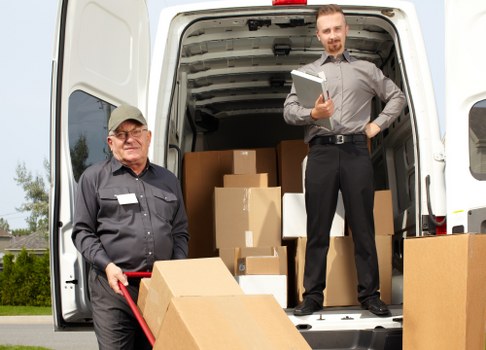
Home moves in France may be carried out by a professional removals company, a self-managed moving team, or a combination of both. In cities, professional movers are often preferred because they understand logistical challenges such as time windows for loading, building access rules, and local parking conditions. In smaller towns, many people choose a mix of rented vans, friends, and partial service movers.
French property types also influence the moving process. Apartments in older buildings may have narrow staircases and no lift, while newer residences may require booking a service elevator. Houses may offer easier access for furniture but can still present challenges if they are in remote areas or on steep ground.
When planning home moves in France, it is important to think beyond transportation. Ask yourself whether you need help dismantling furniture, disconnecting appliances, or arranging temporary storage. The more complete your plan, the easier your move day will be.
How to Prepare for Home Moves in France
Preparation is the foundation of successful home moves in France. Ideally, you should begin several weeks before the move date. Start by creating a moving checklist that includes packing, paperwork, sorting belongings, and confirming service schedules.
It also helps to divide your preparation into categories. For example, you might handle administrative tasks first, then packing room by room, then final cleaning. This makes the process feel more structured and less overwhelming.
Another useful step is decluttering before you pack. Moving is the perfect time to decide what to keep, donate, sell, or discard. Reducing the number of items you move can lower costs and simplify the entire experience.
Key preparation tasks for moving home in France
- Check your moving date and access conditions at both properties.
- Request quotes from moving companies early.
- Gather packing materials such as boxes, tape, and protective wrap.
- Label each box clearly by room and contents.
- Prepare essential documents and keep them accessible.
- Notify schools, landlords, utility providers, and insurers.
Choosing the Right Moving Service

One of the most important decisions in home moves in France is whether to hire professional movers. A good moving company can reduce physical strain, save time, and manage heavy or valuable items more safely than a DIY approach. This is especially helpful if you are moving long distance or have a large household.
When comparing services, look carefully at what each quote includes. Some companies offer only transport, while others include packing, unpacking, furniture assembly, and storage. Make sure the service matches your needs rather than choosing only on price.
Reliable home moves in France often depend on transparent pricing and clear communication. Ask questions about insurance cover, delays, access issues, and cancellation terms. A professional provider should be able to explain how they work and what you can expect on moving day.
What to look for in a moving company
- Experience with local and long-distance moves
- Clear written quotes and no hidden charges
- Insurance options for goods in transit
- Knowledge of French access rules and parking requirements
- Flexible service options for packing or storage
Packing Strategies That Make Home Moves in France Easier
Packing is one of the most time-consuming parts of home moves in France, but it can also be one of the most manageable if you approach it systematically. The key is to start early and pack in stages instead of waiting until the last minute.
Use sturdy boxes, bubble wrap, packing paper, and tape to protect items properly. Heavy items should go in smaller boxes, while lighter items can be packed into larger ones. This keeps boxes easier to lift and reduces the risk of damage.
It is also wise to create an essentials box for the first night in your new home. Include important items such as toiletries, chargers, basic kitchen supplies, bedding, medications, and a change of clothes. This simple step can make the first 24 hours much easier.
Packing tips for a smoother relocation
- Pack one room at a time.
- Use labels on multiple sides of each box.
- Wrap fragile items individually.
- Keep documents and valuables with you.
- Photograph electronic setups before dismantling them.
Well-organized packing reduces stress and helps your movers work more efficiently.
Managing Costs for Home Moves in France

Costs are a major consideration in home moves in France, and they can vary based on distance, volume of belongings, access conditions, and the time of year. Moves during weekends, school holidays, and peak summer months may cost more due to higher demand.
To keep costs under control, request multiple quotes and compare the details carefully. A low estimate may look attractive, but it is important to confirm whether it covers stairs, long carries, parking, or special handling for heavy items. Hidden extras can quickly increase the total.
Another way to manage costs is to reduce the amount of furniture you move. Selling bulky items and replacing them after the move can sometimes be cheaper than transporting everything. This is especially true for long-distance home moves in France.
Common cost factors
- Travel distance between properties
- Quantity and weight of belongings
- Number of floors and access difficulty
- Packing or unpacking services
- Storage needs
- Season and moving date
Administrative Steps You Should Not Forget
Home moves in France are not only physical; they are also administrative. If you forget to update your details, you could miss bills, important letters, or service interruptions. Creating an admin checklist helps prevent these issues.
You may need to update your address with banks, insurers, schools, healthcare providers, subscription services, and local authorities. You should also transfer or cancel utilities such as electricity, gas, internet, and water based on your move date.
For international residents handling moving home in France, it is especially important to keep immigration, tax, and residency-related records current if applicable. Administrative clarity can prevent future complications and make the transition smoother.
Administration checklist
- Change your address with relevant institutions
- Arrange utility end/start dates
- Redirect mail if needed
- Notify schools and childcare providers
- Review home insurance for your new property
Moving Day Tips for a Calm Experience

Moving day can feel busy, but a clear plan helps keep everything under control. Start early, keep your checklist nearby, and make sure each person involved knows what they need to do. If you are using professional movers, confirm arrival time and access details the day before.
Protect floors and doorways if needed, especially in older French buildings where common areas may be sensitive to damage. Keep children and pets safely away from the main moving path to avoid stress and accidents.
Make sure someone checks the old property one last time before leaving. It is easy to forget a charger, document, or set of keys in the rush of home moves in France. A final walk-through can save time and prevent unnecessary returns.
Smart moving-day habits
- Keep water and snacks available.
- Carry important documents yourself.
- Check each room before departure.
- Direct movers clearly and politely.
- Take meter readings if relevant.
Special Considerations for Different Types of Moves
Not all home moves in France are the same. A small apartment move, a family house relocation, and a retirement move all have different priorities. Understanding the type of move you are making helps you plan more effectively.
For families, timing around school holidays may matter. For retirees, comfort and accessibility may be more important than speed. For professionals, minimizing downtime and keeping work equipment secure could be the top concern. Adapting your plan to your situation makes relocation in France easier to manage.
Tailoring your move to your needs is one of the best ways to reduce frustration. It ensures your service choice, packing plan, and schedule all support your actual lifestyle rather than a generic moving model.
Examples of move-specific priorities
- Apartment moves: access, parking, lift reservations
- House moves: garden items, garage contents, larger furniture
- Family moves: school continuity, child-friendly planning
- Retirement moves: accessibility, downsizing, comfort
- Long-distance moves: storage, scheduling, logistics
Settling Into Your New French Home
After the boxes arrive, the next phase of home moves in France begins: settling in. This is the time to unpack the essentials first and make the home functional as quickly as possible. Focus on bedrooms, bathrooms, and the kitchen before decorative items or storage systems.
As you settle in, take time to learn the local area. Find nearby shops, pharmacies, transport links, waste collection rules, and emergency contacts. If you have moved to a new region, these practical details help you feel at home more quickly.
It also helps to be patient with the adjustment period. Even well-planned home moves in France can feel tiring for a few days or weeks. That is normal. Unpacking gradually and building routines will make the transition easier.
First-week priorities after the move
- Set up beds and basic furniture
- Test electricity, water, heating, and internet
- Organize kitchen essentials
- Locate important local services
- Unpack room by room
How Home Moves in France Compare to Other Relocations
Compared with some countries, home moves in France can involve more attention to building access, parking restrictions, and administrative updates. However, the process becomes much easier once you understand the local rhythm. French cities are often highly organized, and many moving companies are experienced at handling narrow streets, apartments, and strict scheduling requirements.
In many cases, the best moving experiences come from combining practical planning with local expertise. Whether you are moving across town or across the country, the principles remain similar: prepare early, pack carefully, book the right help, and keep essential paperwork close at hand.
Successful home moves in France are rarely about luck. They are usually the result of thoughtful preparation, realistic expectations, and a calm approach to each stage of the process.
Practical Advice for a Better Moving Experience
There are many small habits that can improve home moves in France. One of the most useful is to create a moving folder containing quotes, receipts, contracts, and administrative documents. Another is to assign responsibilities if more than one person is involved. Shared planning reduces confusion on moving day.
You should also build in time buffers. Delays can happen because of traffic, weather, access problems, or last-minute issues with the property. Having extra time gives you flexibility and reduces pressure.
A calm, methodical approach often makes more difference than rushing to finish every task at once. The move may take time, but the process becomes much more manageable when broken into smaller steps.
Final practical reminders
- Confirm all bookings in advance
- Keep emergency supplies ready
- Protect floors and fragile items
- Stay organized with labels and lists
- Allow time for settling in after arrival
Conclusion: Make Home Moves in France Simpler and Smarter
Home moves in France do not have to be overwhelming. With careful planning, the right service provider, and a realistic schedule, you can turn a stressful relocation into an organized and positive transition. Every move is different, but the fundamentals remain the same: prepare early, compare options, pack strategically, and handle the administrative side with care.
Whether you are relocating to a city apartment, a coastal home, or a rural retreat, the right approach will save time, money, and energy. If you are ready to take the next step, book your service now or contact us today to start planning your move with confidence. Home moves in France are much easier when every detail is considered in advance.
Move smart, stay organized, and give yourself the best possible start in your new home.